
Tag: wild food
-
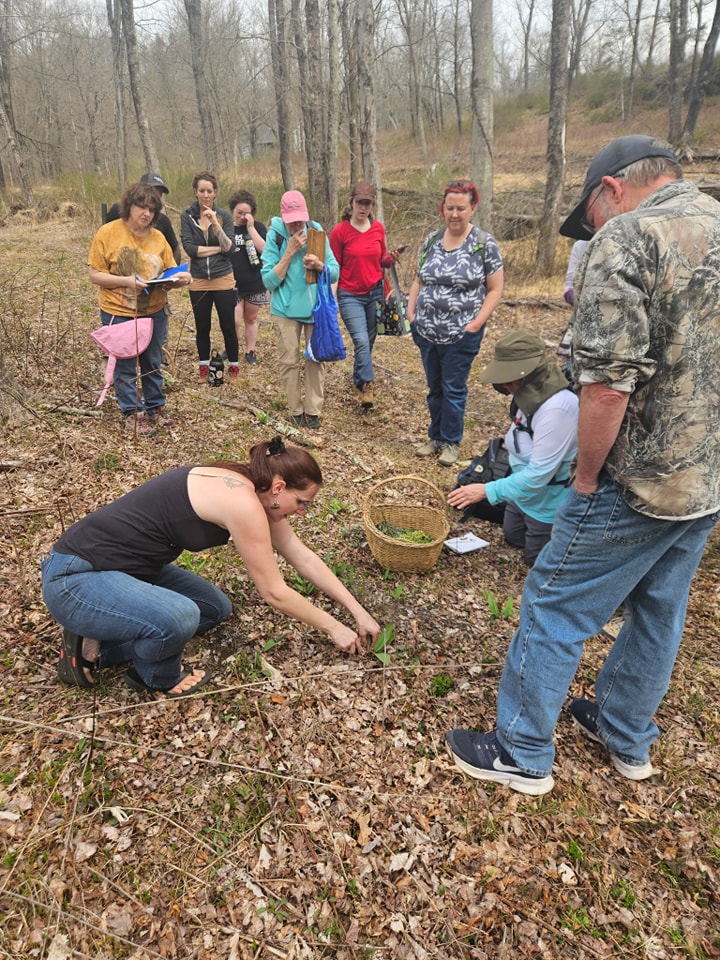
Foraging in Connecticut: Learn the Land Through Your Senses
Connecticut is home to a wide variety of wild edible plants and medicinal herbs year-round. In spring, look for stinging nettle, greenbriar shoots, and serviceberries. Summer brings elderflower, chanterelle mushrooms, and St. John’s Wort. Fall is ideal for rose hips, sassafras roots, and hickory nuts, while winter offers evergreen barks like wild cherry. With diverse…
-
Why Red Clover is one of my favorite plants
Red Clover (Trifolium praetense) as you can see in the photo above, isn’t red. It’s purple. Crimson clover is red (and is super tasty if you can find it) and White clover is white with a slightly pink tinge. Red clover grows abundantly in my yard ever since I tossed some seeds on the ground…
-
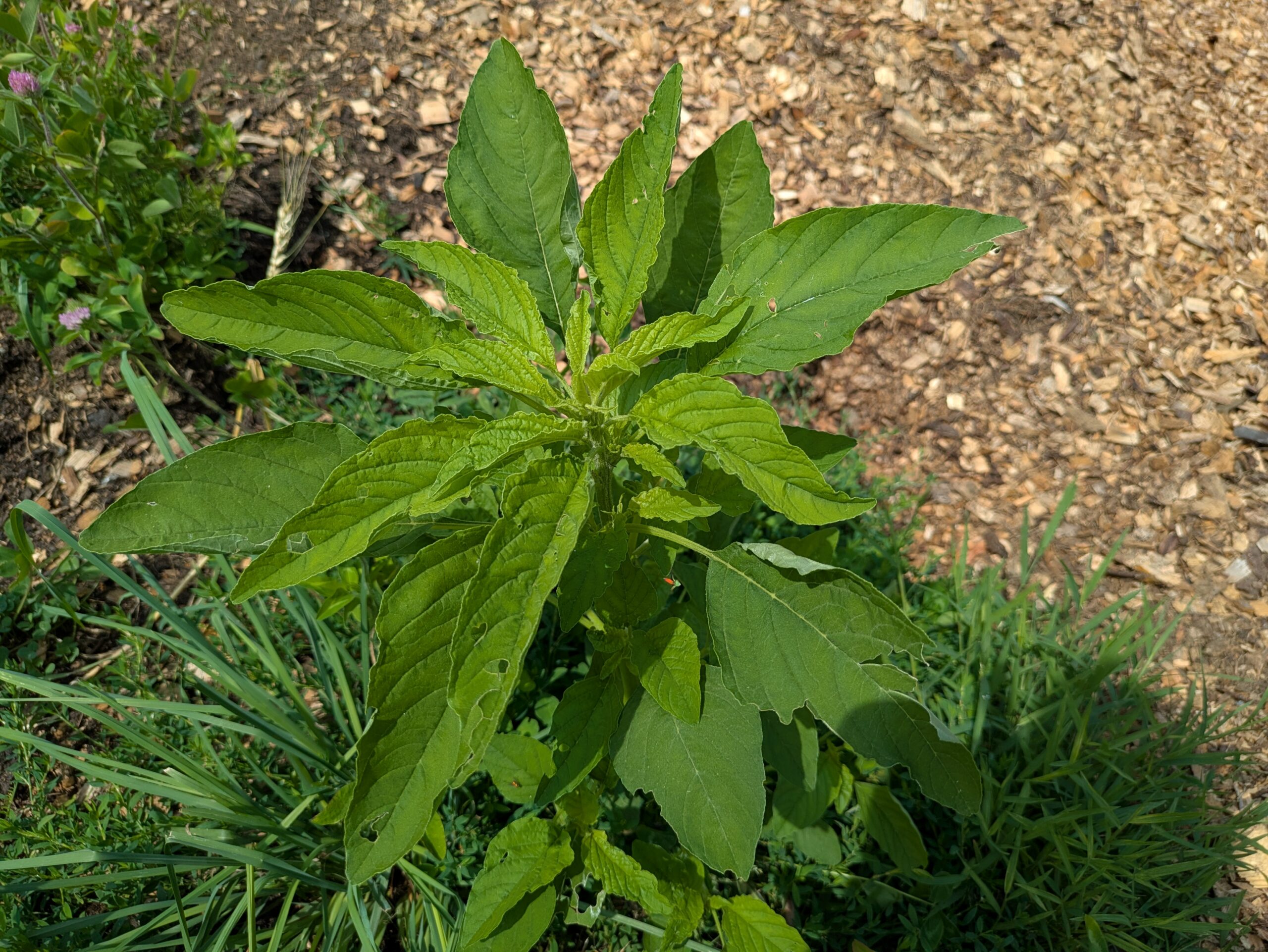
The Most Overlooked Plant I Used To Hate
I know I’m seriously narrowing down my niche when I say this, but if you’re a farmer anywhere in the northern part of north America, you’ll likely have said this phrase: F*CK*NG PIGWEED! I only knew it as Pigweed for at least seven years after I started farming (prior to that the plant had entirely…
-
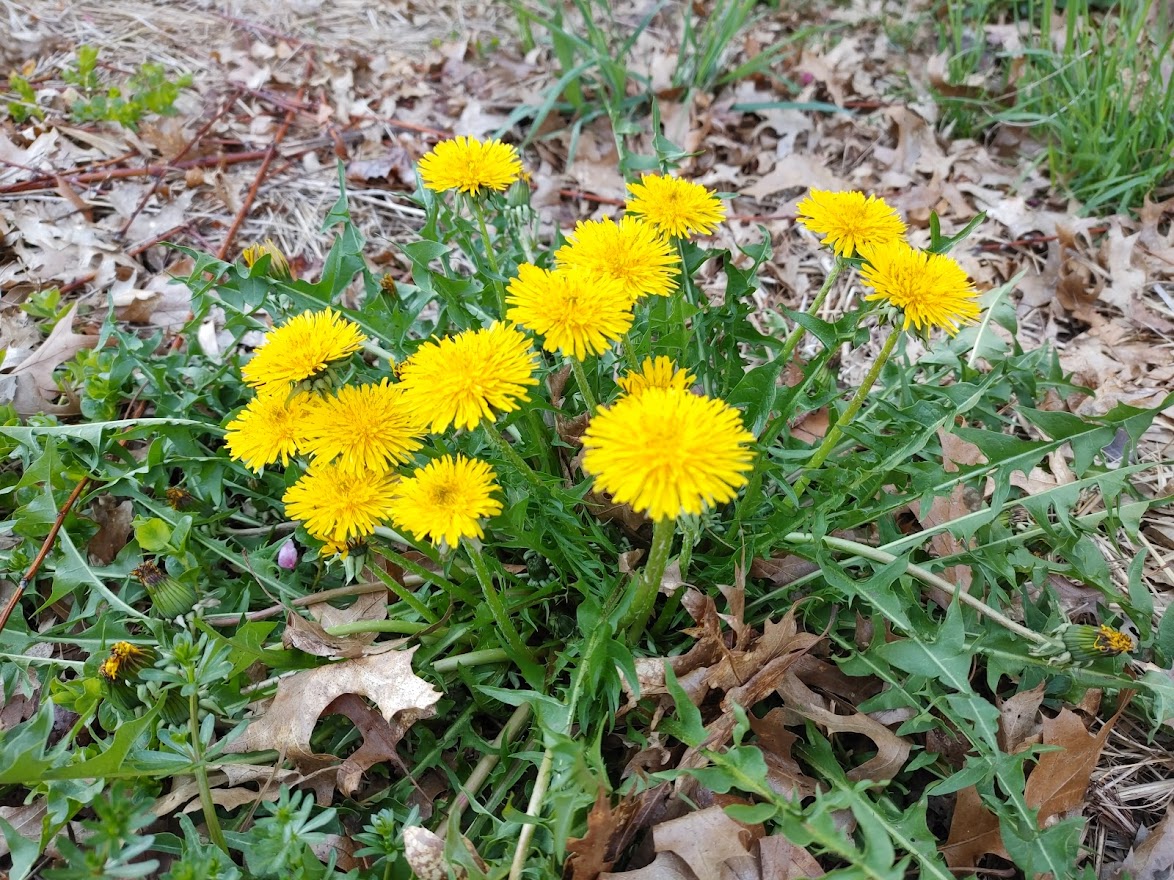
Dandelion: Nature’s Healing Power Unleashed
Dandelions (for the purpose of this article I’m referring to Taraxacum officinale, though there are over 400 other varieties) are more than just a sunny weed dotting our lawns—they’re one of the most versatile and healing plants in the wild. Every part of the dandelion (Taraxacum officinale), from flower to root, is edible and medicinal…
-
Botany versus Life Experience
I taught a foraging walk last Saturday with my friend Joe the Forager (the guy who runs Eattheplanet.org) and I have to say we work great as a team. Joe is awesome with botanical terminology, history of plants, knowing native varieties versus introduced varieties, and showing you the physical traits of each plant and how…
-
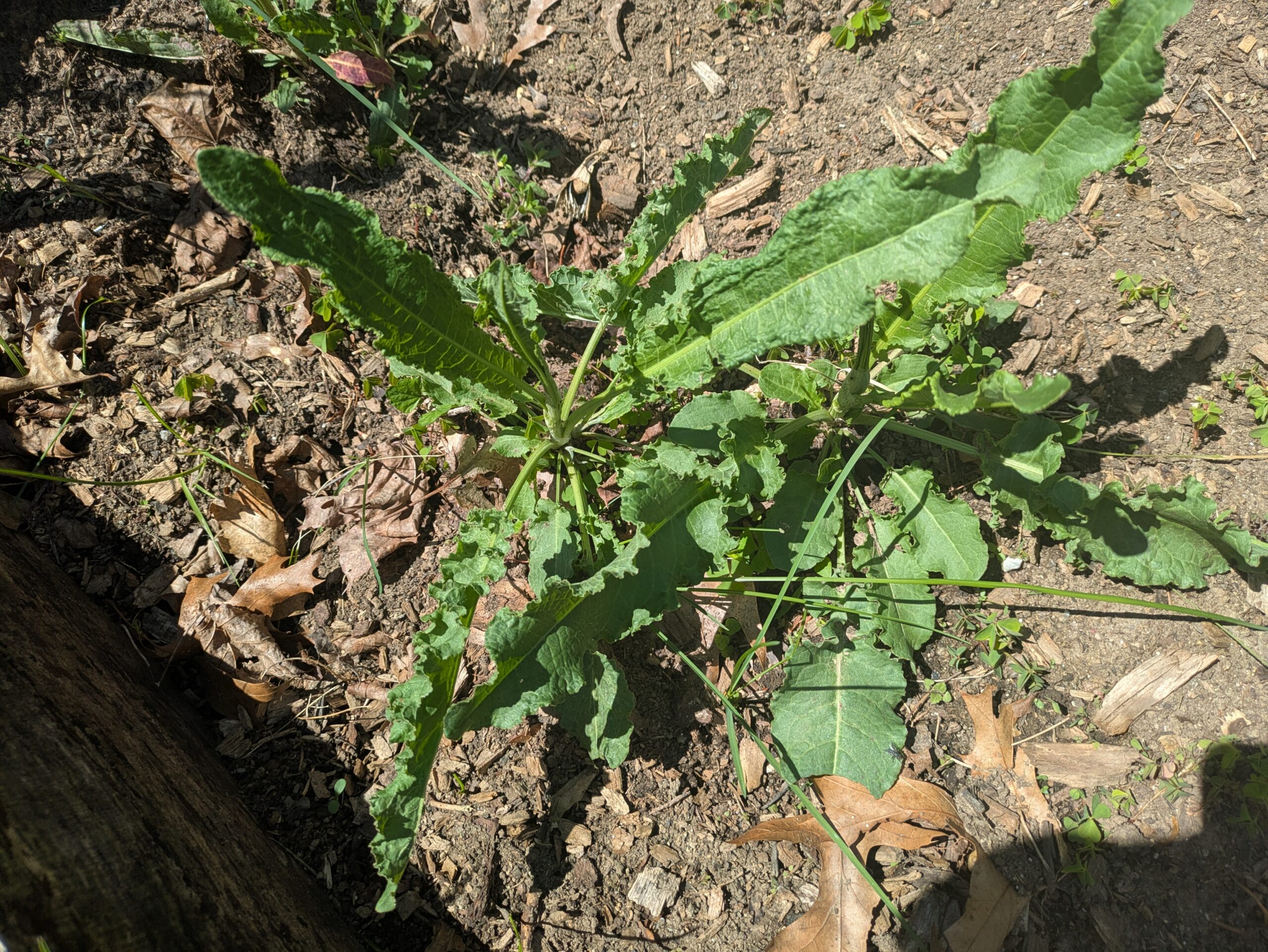
Yellow Dock: Unsung Hero of Constipation
Yellow dock (a.k.a. Curly Dock) is a perennial plant that is native to Europe, Asia, and North America. It is a member of the Polygonaceae family, which also includes rhubarb and knotweed. Yellow dock grows to be about 2-4 feet tall and has large, oval leaves with toothed edges. The flowers are pink or white…
-
Black Walnuts!
If you live anywhere in the Eastern or Central United States, you have probably seen a black walnut tree. Black walnuts (juglans nigra) grow from New England through Wyoming and are wildly prolific. Just try digging up a sapling somewhere… they root in like a badass and if you don’t want that tree to grow…
-
Summer Mushroom Foraging
I don’t usually have enough time to create a blog post over the summer and early autumn months, for what should be obvious reasons. The gardens look atrocious right now, as I have neglected clean up in favor of harvesting and preserving before it’s too late. I wanted to share a brief glimpse of some…