
Category: foraging
-
The Mushrooms Sent me Messages in the Forest
Yesterday’s workshop was WONDERFUL! There was no cell phone service for anyone in Northwest Connecticut, so our phones were neither a distraction nor help. I took a small group first on a foraging walk around this gorgeous farm land property, then after a lunch break we reconvened for a Forest Bathing therapy session in the…
-
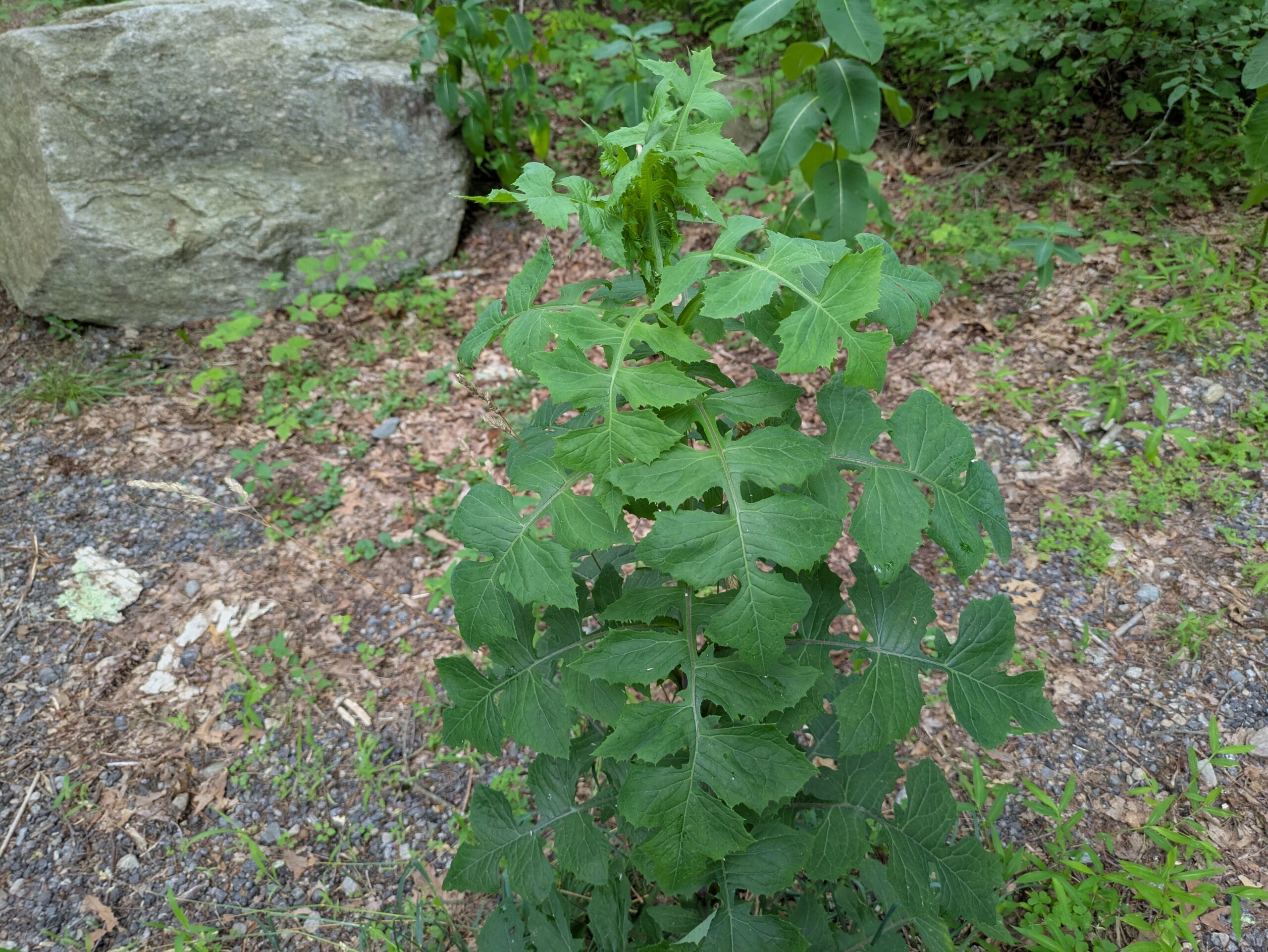
Wild Lettuce: How to Identify, Forage, and Work With This Powerful Plant
Disclaimer: This is not medical advice. I’m an Herbalist, not a Doctor. Wild Lettuce (Lactuca spp.) quickly became one of my top favorite herbal remedies as soon as I was confident enough to recognize it and try it. Why? Because it is hands-down the strongest natural painkiller I’ve ever experienced. Traditionally speaking, this plant has…
-
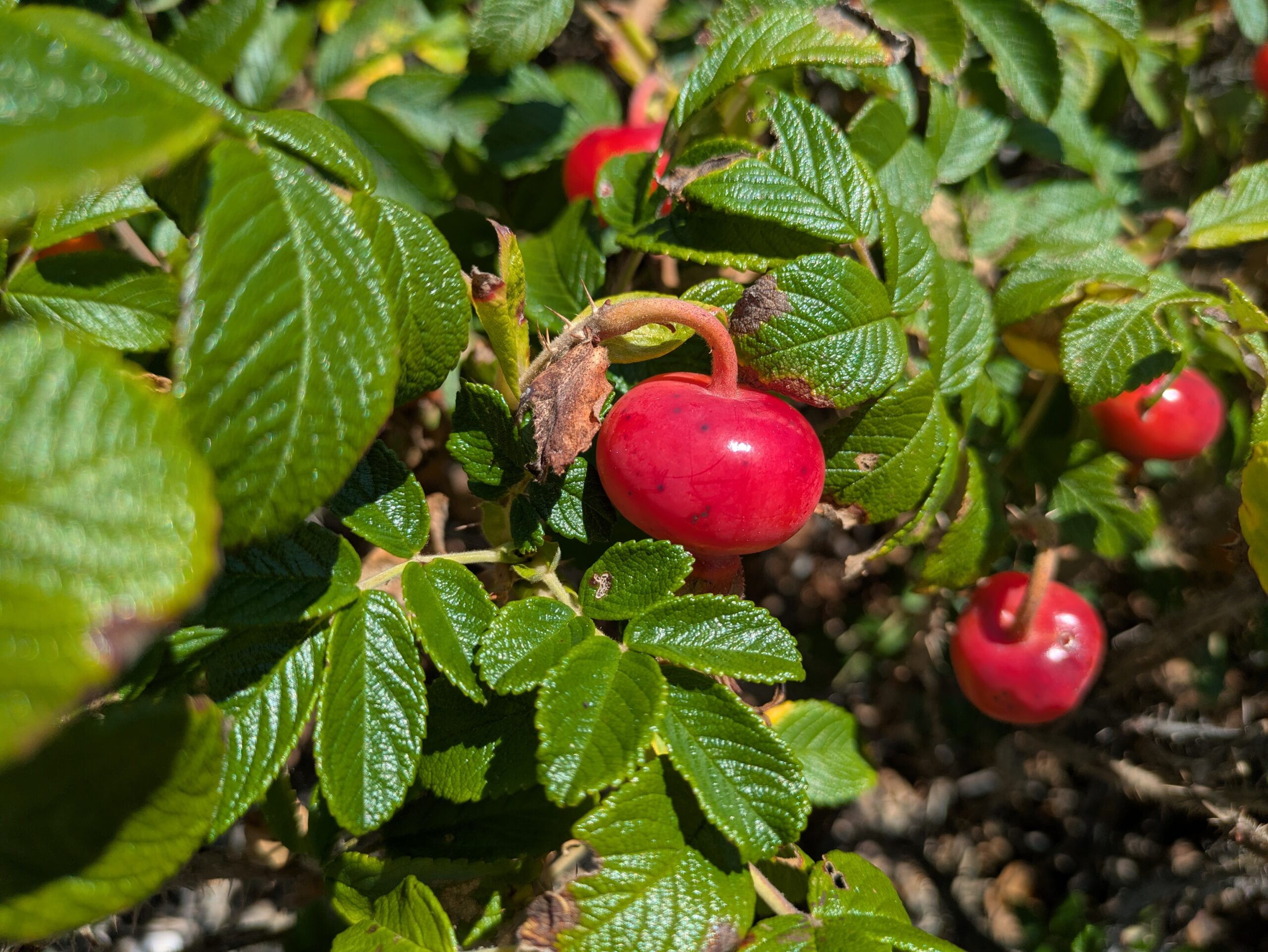
The Vitamin C Powerhouse Growing in the Wild: Rose Hips
You’ve heard that you need Vitamin C, so you eat oranges regularly and figure you’re doing a good deed for your body, right? Why do you even need Vitamin C? According to the pharmacy aisle at Walgreens, you NEED vitamin C to stop your cold and if you don’t take their products you’ll never get…
-
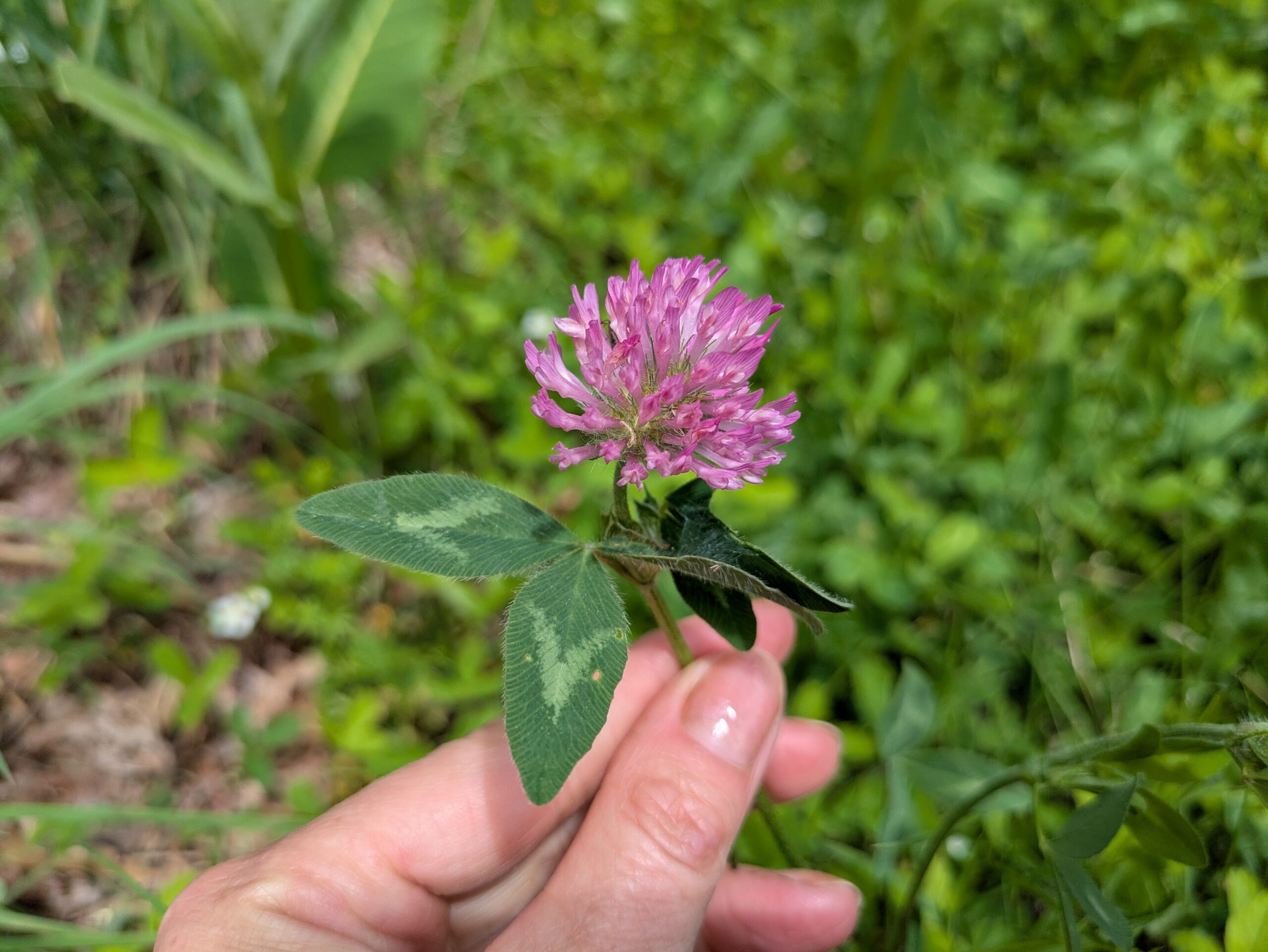
Why Red Clover is one of my favorite plants
Red Clover (Trifolium praetense) as you can see in the photo above, isn’t red. It’s purple. Crimson clover is red (and is super tasty if you can find it) and White clover is white with a slightly pink tinge. Red clover grows abundantly in my yard ever since I tossed some seeds on the ground…
-
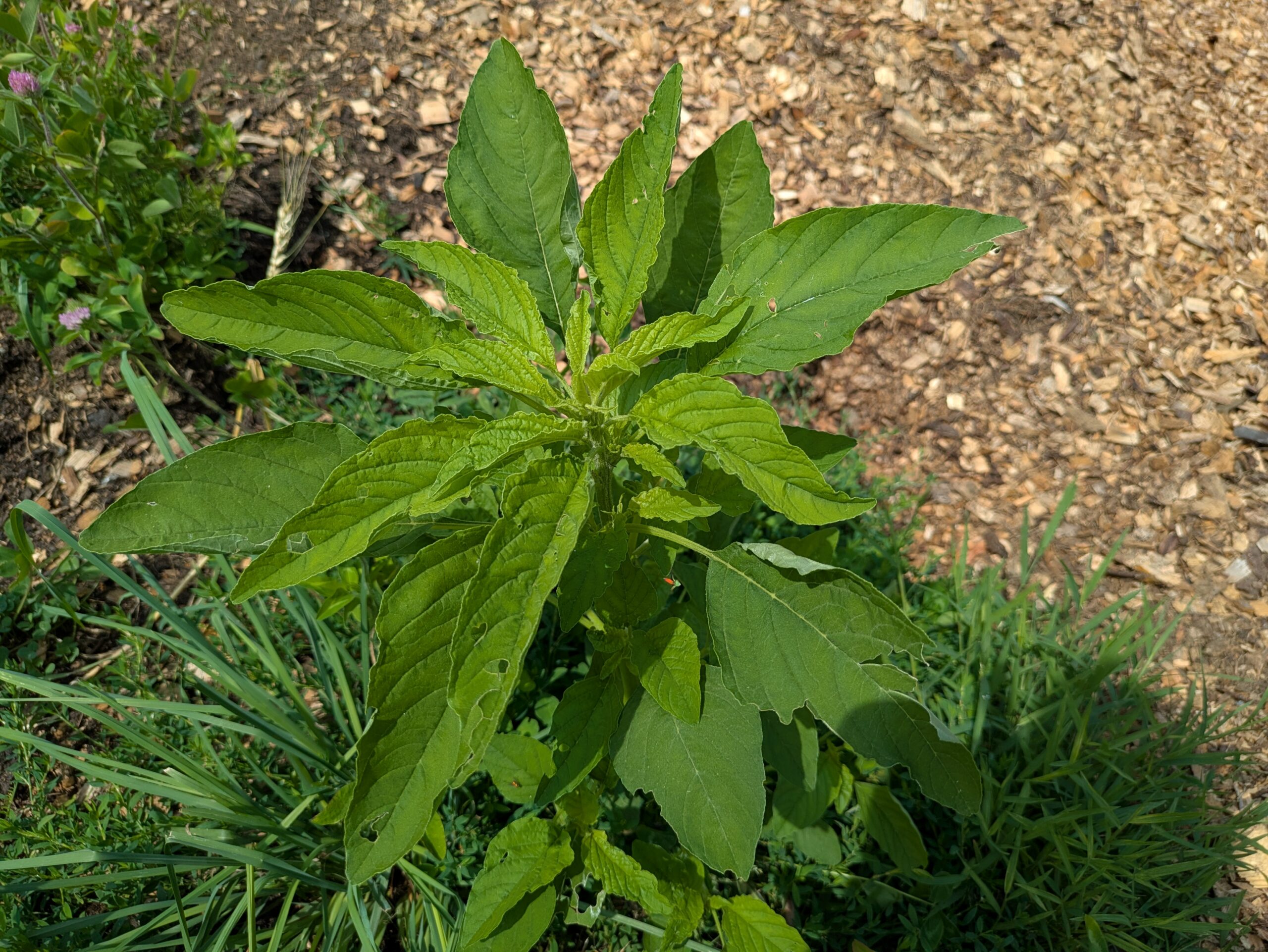
The Most Overlooked Plant I Used To Hate
I know I’m seriously narrowing down my niche when I say this, but if you’re a farmer anywhere in the northern part of north America, you’ll likely have said this phrase: F*CK*NG PIGWEED! I only knew it as Pigweed for at least seven years after I started farming (prior to that the plant had entirely…
-
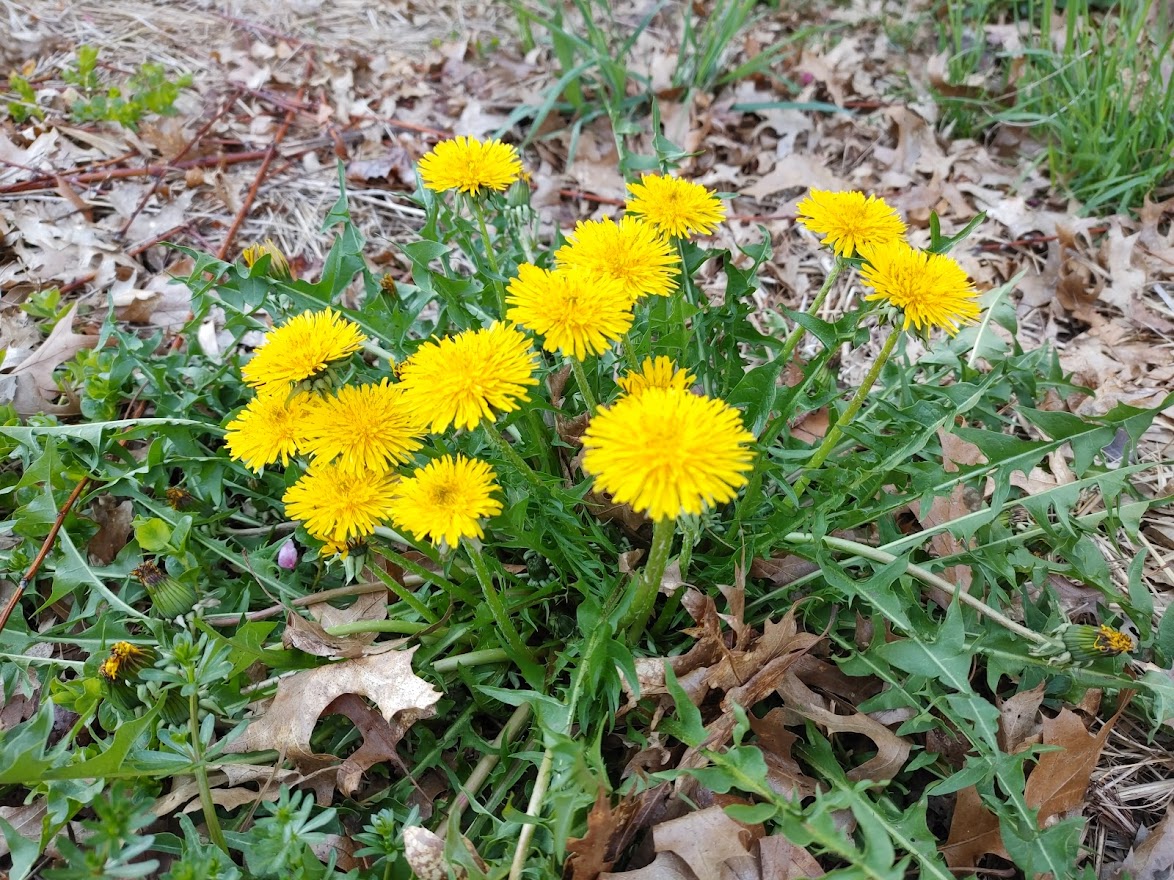
Dandelion: Nature’s Healing Power Unleashed
Dandelions (for the purpose of this article I’m referring to Taraxacum officinale, though there are over 400 other varieties) are more than just a sunny weed dotting our lawns—they’re one of the most versatile and healing plants in the wild. Every part of the dandelion (Taraxacum officinale), from flower to root, is edible and medicinal…
-
Benefits of American Reishi Mushroom: A Complete Guide
The American native Reishi mushroom, also known as Ganoderma tsugae, grows on the Eastern white hemlock tree (Tsuga canadensis.) If you wild harvest some of this amazing mushroom, be sure to slice it up within a few days after you cut it off the tree. Reishi dries as hard as wood VERY quickly and once…
-
Is Foraging Safe? You Decide
I started foraging on purpose back in 2006 when I went out picking blackberries along the side of the road and brought them home to make jam. Foraging wild fruits is a great way to get started because there are many fruits that we can all recognize easily (blackberries, raspberries, apples, rose hips, and more)…
-
Botany versus Life Experience
I taught a foraging walk last Saturday with my friend Joe the Forager (the guy who runs Eattheplanet.org) and I have to say we work great as a team. Joe is awesome with botanical terminology, history of plants, knowing native varieties versus introduced varieties, and showing you the physical traits of each plant and how…
-
Why eating SAD makes you SAD
Have you ever heard of the Standard American Diet (SAD)? Unfortunately, half of the plant-based calories (6%) come from French fries. That means only 6% of America’s calories are coming from health-promoting fruits, vegetables, whole grains, nuts, and seeds. [Source: https://www.forksoverknives.com/wellness/standard-american-diet-sadder-than-we-thought/] The vast majority of Americans are pressured by a combination of the economic need to…