
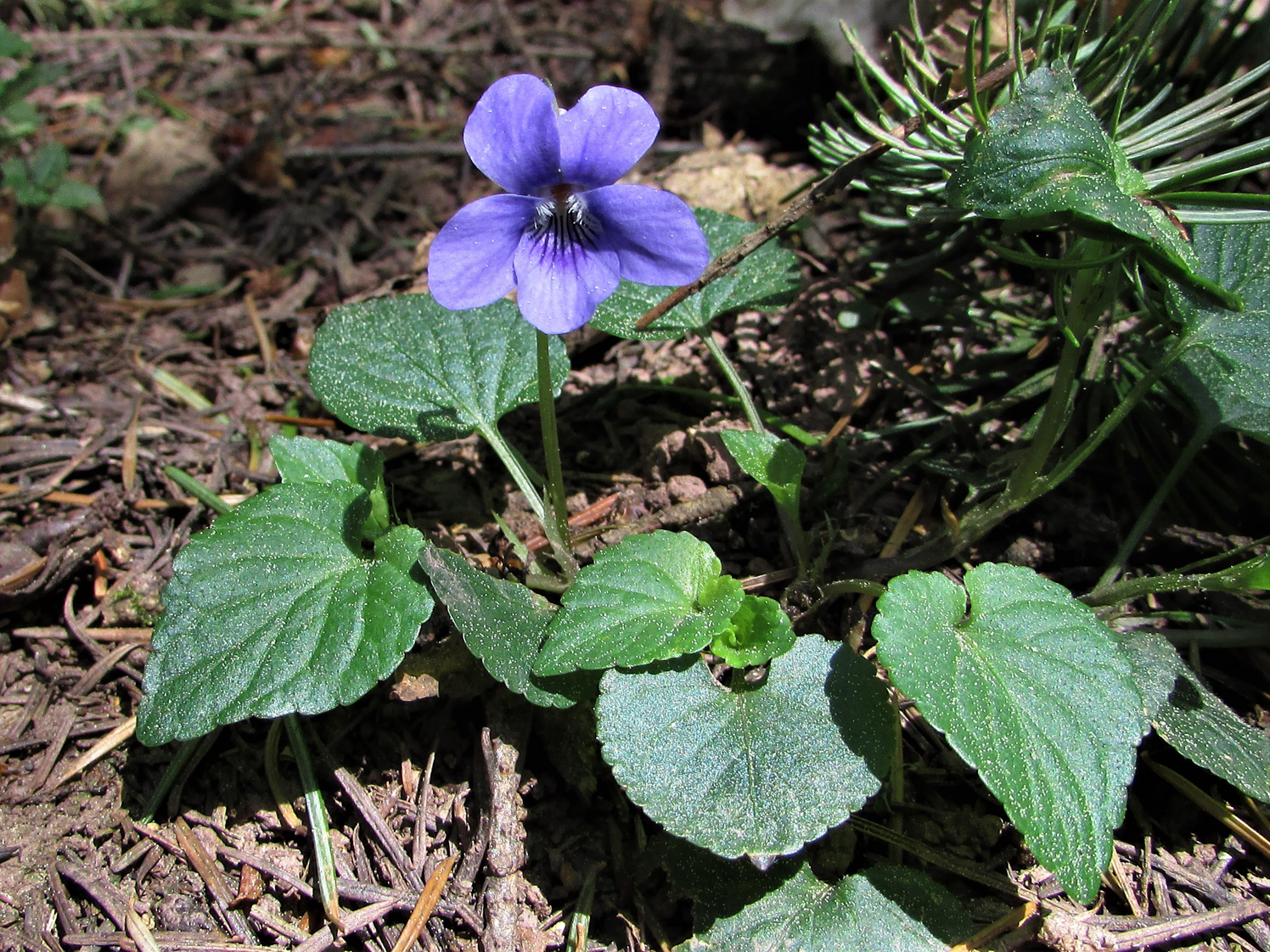
When spring rolls around and tiny purple blossoms blanket shady lawns, most people see a common weed. But to herbalists, Violet (Viola odorata or Viola canina) is one of the most comforting, cooling, and restorative wild allies available right in our backyards.
The whole plant is edible, though I’m not personally a fan of the roots. The flowers can be made into a lovely syrup or jelly or candied to decorate cakes.
Here’s something you may not know: the LEAVES are just as medicinal as the flowers! And they’re available at least 8 months out of the year in most Northern climates.
Whether you’re dealing with stubborn lymphatic congestion or a dry, irritated cough, this gentle green powerhouse deserves a prime spot in your home apothecary.

Herbal Profile
Botanical Name: Viola odorata, Viola canina
Habitat: Shady, moist areas and lawns across North America
Parts Used: Aerial parts (leaves and flowers)
Energetics: Cooling, moistening
Safety & Contraindications: None known—extremely gentle and safe for long-term use.
How Violet Works in the Body
Violet shines when the body needs cooling down and moistening up. Its soothing, slightly mucilaginous (gel-like) nature makes it an incredible remedy for two main body systems:
1. The Lymphatic System
Violet leaves and flowers excel at clearing heat and easing congestion in the lymphatic system. It helps keep fluid moving smoothly through lymph nodes, making it a classic go-to herb for swollen glands, tissue tenderness, and overall lymphatic stagnation. (Historically, traditional herbalists have also incorporated violet into holistic protocols for breast tissue health and skin growths).
2. The Respiratory System
Got an annoying, dry, hacking cough? Violet’s moistening properties lubricate dry, irritated mucous membranes, bringing fast, cooling relief to an overworked throat and chest.
How to Prepare Violet
Because violet is so gentle, it takes well to a few simple extraction methods:
- Cold or Warm Water Infusion: Steep the aerial parts in water to draw out its soothing mucilage. The polysaccharides will extract better as a long infusion in cool water, just like marshmallow, but it works as part of a regular tea blend too. Drinking it as a tea is ideal for dry coughs and irritated throats.
- Low-ABV Tincture: Extract fresh violet in a lower-proof alcohol and take it several times daily to support ongoing lymphatic flow and system movement.
I make a lymphatic support tincture every spring with equal parts fresh burdock root, violet leaf and flower, and fresh Cleavers. This gentle blend acts as an all-purpose alterative, or an agent that helps push gunk like dead viruses and dead blood cells into the lymphatic system and out of your body in your waste.
>>Get my Making Tinctures Safely and Effectively PDF Guide to make your own!
Safety Note: Omit the Burdock root if this formulation is intended for someone taking blood thinners or managing diabetes.
Make sure you have enough dried violet for your tea blends when you inevitably catch a cold this winter. They dry well in a cool, dark place with airflow, or you can grab my favorite dehydrator HERE.
Have You Foraged Violet This Season?
Do you prefer making violet tea, or do you love turning those bright little blossoms into syrup or tinctures? Let me know in the comments below!